Celmira Turner
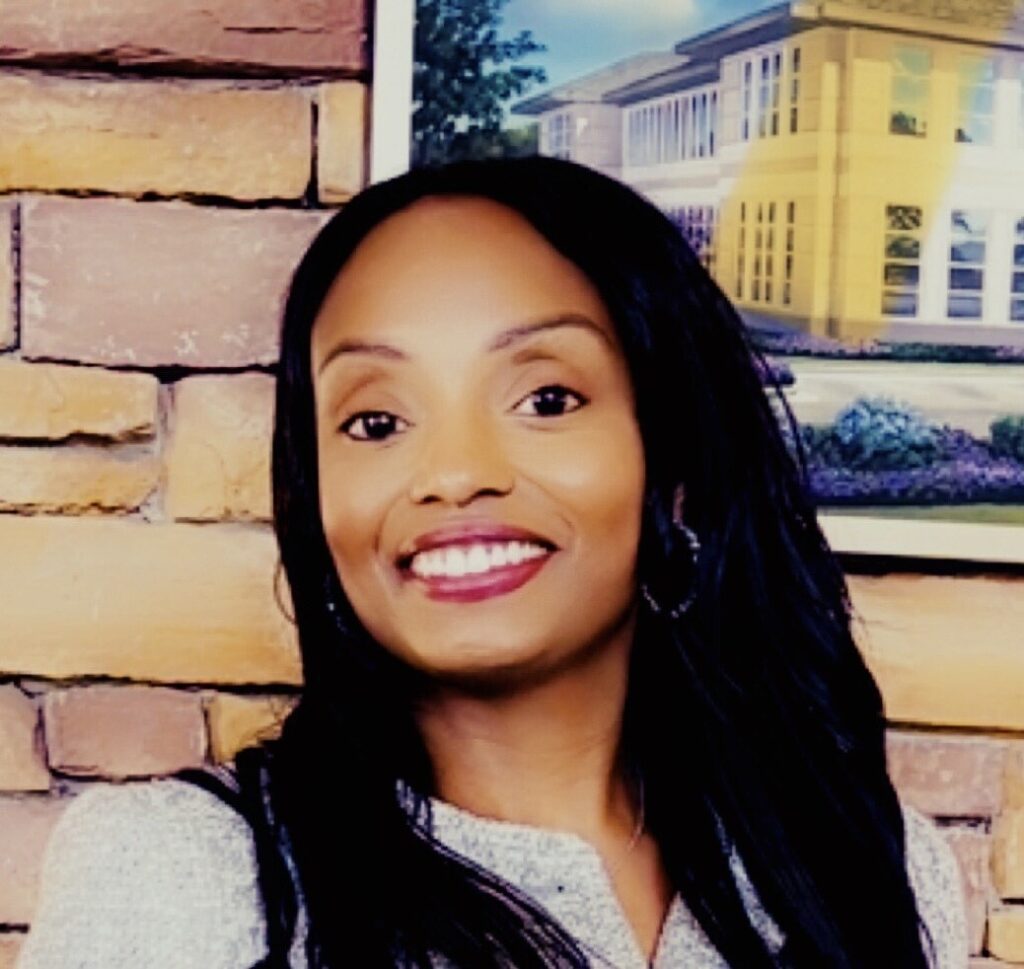
In a professional landscape shaped by constant change and evolving expectations, effective leadership is defined by more than experience alone. Celmira Turner’s career reflects a commitment to growth, adaptability, and service, qualities that extend beyond titles or roles. The background and insights that follow offer context into the values that guide her work and the perspective she brings to leadership, learning, and continuous improvement in a world that demands both expertise and curiosity.
About Celmira Turner
Celmira Turner is an accomplished sales and marketing leader with over two decades of experience in the healthcare sector, including high-impact roles with Fortune 500 organizations. Known for her strategic mindset and people-first leadership style, she has led corporate training initiatives, driven business growth, and overseen expansive, multi-state sales territories across Texas, Oklahoma, New Mexico, Arizona, and Puerto Rico. Her dedication to performance and excellence has been consistently recognized by peers and industry leaders alike.
Bilingual in English and Spanish and proudly rooted in her Panamanian heritage, Celmira brings cultural fluency and emotional intelligence to every professional relationship. This perspective allows her to build authentic connections and foster trust across diverse teams and client communities. She is also a U.S. military Veteran, having served eight years in both the Army Reserves and the National Guard. That experience shaped her disciplined, resilient approach to leadership and reinforced values of integrity, teamwork, and service that continue to define her work today.
Central to Celmira’s career is a genuine passion for helping others succeed. She is driven by the opportunity to mentor, motivate, and support individuals and organizations as they work toward meaningful growth. Beyond her professional life, Celmira Turner enjoys spending quality time with her family, reading biographies that fuel her curiosity, and staying active through regular fitness routines.
The Value of Lifelong Learning in a Changing World
The pace of change in today’s world is unlike anything previous generations have experienced. Technological advancements, shifting economic landscapes, evolving workplace expectations, and global interconnectedness continue to reshape how people live, work, and learn. In this environment, the idea that education ends with a diploma or degree has become outdated. Instead, lifelong learning, an ongoing commitment to curiosity, growth, and continuous improvement, has emerged as one of the most valuable assets an individual can cultivate. Far from being a luxury or personal hobby, lifelong learning is now a practical necessity and a powerful long-term advantage in a rapidly changing world.
Understanding Lifelong Learning
Lifelong learning is the intentional pursuit of knowledge, skills, and personal development throughout one’s life. Celmira Turner understands that it extends beyond formal education and includes professional training, self-directed study, experiential learning, mentorship, and even informal exploration driven by curiosity. At its core, lifelong learning reflects a mindset rather than a specific activity. It is rooted in the belief that growth is continuous and that learning does not have an expiration date.
This mindset allows individuals to remain adaptable, relevant, and engaged regardless of age, career stage, or industry. Rather than viewing change as a disruption to be feared, lifelong learners see it as an opportunity to expand their understanding and refine their abilities.
Curiosity as a Competitive Advantage
Curiosity is often underestimated in professional and personal development, yet it serves as the foundation of lifelong learning. Curious individuals ask questions, challenge assumptions, and seek to understand the “why” behind processes and decisions. In a changing world, curiosity becomes a competitive advantage because it fuels innovation and adaptability.
Curiosity encourages people to explore emerging trends, new technologies, and evolving best practices. Celmira Turner explains that it prevents stagnation by pushing individuals beyond routine thinking and familiar solutions. In the workplace, curiosity leads to better problem-solving, stronger collaboration, and a willingness to experiment. On a personal level, it fosters intellectual vitality and a sense of engagement with the world.
Organizations increasingly value curiosity because it supports agility. Curious employees are more likely to upskill and reskill, and to contribute creatively as roles evolve. They are also better equipped to navigate ambiguity, a growing reality in many industries.
Continuous Growth in an Evolving Workforce
The modern workforce is characterized by constant transformation. Automation, artificial intelligence, remote work, and global competition have altered job roles and redefined required skill sets. Many roles that exist today did not exist a decade ago, and many future roles have yet to be imagined. In this environment, relying solely on past education or experience is insufficient.
Lifelong learning enables individuals to remain employable and resilient amid these shifts. Continuous growth ensures that skills remain current and relevant. Celmira Turner understands that this does not necessarily mean pursuing advanced degrees or certifications at every stage, but rather staying open to learning new tools, methodologies, and perspectives.
Professionals who commit to ongoing learning are better positioned to pivot when necessary, whether that means transitioning to a new role, industry, or leadership level. Growth becomes proactive rather than reactive, allowing individuals to shape their careers instead of being forced to respond to change under pressure.
Learning as a Tool for Personal Fulfillment
While lifelong learning offers clear professional benefits, its value extends well beyond career advancement. Learning contributes significantly to personal fulfillment and well-being. Engaging with new ideas, developing new skills, and expanding one’s worldview can bring a sense of purpose and satisfaction that transcends external success markers.
Learning keeps the mind active and engaged, supporting cognitive health and emotional resilience. It encourages reflection and self-awareness, helping individuals better understand their strengths, values, and interests. Celmira Turner understands that this deeper understanding often leads to more intentional life choices and stronger alignment between personal goals and daily actions.
In many cases, lifelong learning reignites passion and motivation, particularly during periods of transition or burnout. Exploring new subjects or perspectives can restore a sense of curiosity and enthusiasm that may have been lost amid routine responsibilities.
Adaptability and Resilience Through Learning
Change often brings uncertainty, and uncertainty can be unsettling. Lifelong learning equips individuals with the tools to manage this uncertainty with confidence. By continuously expanding their knowledge and skill sets, learners develop adaptability, the ability to adjust effectively to new circumstances.
Adaptability is closely linked to resilience. When individuals view learning as an ongoing process, setbacks and challenges become opportunities for growth rather than indicators of failure. This perspective fosters perseverance and a willingness to try again with new insights and strategies.
In both personal and professional contexts, adaptability supported by learning enables individuals to respond constructively to change. Whether facing organizational restructuring, industry disruption, or personal transitions, lifelong learners are more likely to navigate change with clarity and composure.
Continuous Improvement as a Long-Term Strategy
Lifelong learning is not about chasing perfection but about embracing continuous improvement. Small, consistent efforts to learn and grow compound over time, leading to significant long-term gains. Celmira Turner explains that this approach aligns with the idea that progress is built through sustained commitment rather than dramatic transformation.
Continuous improvement encourages reflection and refinement. Celmira Turner explains that it invites individuals to assess what is working, identify areas for development, and make intentional adjustments. Over time, this practice strengthens competence, confidence, and credibility.
From leadership development to personal habits, continuous improvement supported by learning fosters long-lasting impact. It allows individuals to evolve in step with their environments while remaining grounded in their values and purpose.
Creating a Culture of Lifelong Learning
The value of lifelong learning is amplified when supported by organizational and societal cultures that prioritize growth. Workplaces that encourage learning through training opportunities, knowledge sharing, and professional development create environments where individuals can thrive. Such cultures promote engagement, innovation, and retention.
On a broader level, societies that value education across the lifespan contribute to stronger communities and economies. Lifelong learning supports informed citizenship, cross-cultural understanding, and collective problem-solving in an increasingly complex world.
Embracing Learning as a Way of Life
In a world defined by change, lifelong learning is not optional; Celmira Turner emphasizes that it is essential. Curiosity fuels exploration, growth sustains relevance, and continuous improvement builds resilience. Together, these elements create a powerful framework for navigating uncertainty and unlocking long-term potential.
Celmira Turner explains that by embracing learning as a way of life, individuals position themselves to adapt, contribute, and thrive regardless of what the future holds. Lifelong learning is not merely about keeping up with change; it is about leading with curiosity, growing with intention, and continuously becoming better equipped to meet the world as it evolves.